Discover the world of New York Times bestselling author Rupert Isaacson—where neuroscience, learning, spirituality, and horses inspire transformation. 

Latest Episodes

Animals as Relatives: Native Wisdom, Trauma & Healing with Brandy Tomhave | EAW 46

In this powerful and far‑reaching episode of Equine Assisted World, Rupert Isaacson speaks with Brandy Tomhave, Executive Director of the Native American Humane Society and an enrolled member of the Choctaw Nation.This conversation goes far beyond animal welfare. Together, Rupert and Brandy explore how animals—especially dogs and horses—serve as bridges between cultures, as carriers of medicine, and as essential companions in communities shaped by historical trauma, systemic neglect, and extraordinary resilience.Brandy shares her journey from decades of Native American legal advocacy into animal welfare, describing how colonial systems, poverty, and misunderstood cultural differences have deeply affected both people and animals on reservations. She explains why animal wellness cannot be separated from human wellbeing, and how concepts like relationality, balance, generosity, and One Health have long existed in Indigenous cultures.From the lived realities of reservation life to the ethical challenges of modern animal rescue, from horses as cultural relatives to dogs as potential lifelines in communities facing suicide and mental health crises, this episode invites listeners to rethink what it truly means to be humane.This is a conversation about humility, listening, ambiguity, and the radical idea that being a “good relative”—to animals and to each other—might be the most important work we can do.If you want to support the show, you can do so at Patreon: https://www.patreon.com/LongRideHome🔍 What You’ll Learn in This EpisodeWhy Native American identity is political and sovereign—not racialHow colonial trauma affects animals as well as peopleWhy many “rescued” reservation dogs were never abandonedHow dogs and horses function as spiritual, emotional, and cultural relativesWhat “One Health” really means from an Indigenous perspectiveWhy poverty‑based narratives often do more harm than goodHow animals can act as bridges between divided human communitiesThe ethical tensions around wild horses, land use, and survivalWhy animal welfare systems must be culturally groundedWhat it means to be a “good relative” in animal‑assisted work🎤 Memorable Moments from the Episode[00:03:12] Brandy explains Native American sovereignty and why it shapes everything else[00:08:45] The Flagstaff shelter visit that changed Brandy’s life[00:16:16] The historical parallel between removing children and removing dogs[00:19:00] Why animal wellness is one of the few areas free from federal control[00:25:33] Dogs and horses as ambassadors between cultures[00:35:00] Relationality: animals as relatives, not property[00:39:02] The link between animal abuse and future human violence[00:44:31] Animals as companions in communities facing suicide and trauma[00:51:28] “Be a good relative” as a guiding principle[01:02:08] What animal‑assisted practitioners worldwide can learn from Native wisdom📚 Contact, Projects, and Resources MentionedNative American Humane Society https://nativeamericanhumanesociety.orgNew Trails Learning Systems – Horse Boy Method, Movement Method & Takhin Equine Integration https://ntls.coRupert Isaacson / Long Ride Home https://rupertisaacson.com🌍 Follow UsLong Ride Home https://longridehome.com https://facebook.com/longridehome.lrh https://instagram.com/longridehome_lrh https://youtube.com/@longridehomeNew Trails Learning Systems https://ntls.co https://facebook.com/horseboyworld https://instagram.com/horseboyworld https://youtube.com/newtrailslearningsystems📊 Affiliate DisclosureLinks to books and products may include affiliate tracking. We may earn a commission if you make a purchase, at no extra cost to you. Thank you for supporting the show.
How to Handle More Than You Can Handle | Parenting, Grief, Joy & Special Needs with Amanda Atkins | Ep 44

In this deeply honest and wide‑ranging episode of Live Free Ride Free, Rupert Isaacson speaks with family therapist and author Amanda Atkins about what it truly means to parent a high‑needs child — and how parents survive, adapt, and rediscover joy along the way.Amanda shares the personal story behind her book How to Handle More Than You Can Handle, written from lived experience as the mother of Asher, a teenager with Prader‑Willi Syndrome. Together, Rupert and Amanda explore overwhelm, grief, resilience, humor, identity, marriage, community, and the long‑term realities of parenting children with disabilities.The conversation moves fluidly between personal reflection and practical insight — from navigating cortisol burnout and therapy overload, to the importance of nature, play, humor, and following the child’s passions. This episode also looks ahead to adulthood, community living, relationships, and what it means to build sustainable structures for life beyond childhood.✨ “You’re allowed to be more than just a caretaker.” – Amanda Atkins ✨ “Joy isn’t optional. It’s how we survive.” – Rupert Isaacson ❤️ Support the Podcast on Patreon https://patreon.com/longridehome🔍 What You’ll Learn in This Episode:Why overwhelm and isolation are so common for parents of special‑needs children — and why talking honestly about it matters ([00:01:06])How grief, identity loss, and resilience intersect in parenting high‑needs children ([00:05:13])Amanda’s path from therapist‑in‑training to caregiver advocate — and why she focuses on parents, not prescriptions ([00:06:02])What Prader‑Willi Syndrome looks like in daily life, including food obsession, routine, and nervous‑system regulation ([00:03:11], [00:20:36])Why humor — especially toilet humor — can restore dignity, bonding, and regulation ([00:16:36])The neuroscience of cortisol overload, burnout, and why “doing less” can sometimes heal more ([01:07:45]–[01:11:21])How following a child’s passionate interests supports development, confidence, and joy ([01:13:29])Why community and informal support networks matter more than formal services alone ([00:55:06], [01:22:22])Navigating adolescence, friendships, dating, and independence for neurodivergent teens ([01:18:53]–[01:24:36])How parents can reclaim joy, meaning, and a sense of self beyond caregiving ([00:51:01], [01:33:48])🎤 Memorable Moments from the Episode:Amanda describes the emotional impact of being handed a diagnosis at 26 — and the pressure to be a “special‑needs warrior” ([00:04:00])A candid conversation about marriage, cortisol poisoning, and why most special‑needs couples burn out ([01:05:38]–[01:10:05])Asher’s first homecoming date — and how community quietly held the moment ([01:22:22])Rupert explains theory of mind through teasing — and why joking is a developmental milestone ([00:27:26])Amanda reads a powerful passage from her book on identity, meaning, and self‑compassion ([01:33:48])📚 Books, Projects & Resources Mentioned:Amanda Griffith Atkins: https://www.amandagriffithatkins.com/https://www.instagram.com/amanda.griffith.atkins/How to Handle More Than You Can Handle – Amanda Atkins: https://amzn.to/3LjgWSHning SystemsCamp Hill Communities (historical model for residential care)Square Peg Foundation (California) https://squarepegfoundation.org🌍 See All of Rupert’s Programs and Shows:Website: https://rupertisaacson.com📲 Follow Us:Long Ride Home Website: https://longridehome.com Facebook: https://facebook.com/longridehome.lrh Instagram: https://instagram.com/longridehome_lrh YouTube: https://youtube.com/@longridehomeNew Trails Learning Systems Website: https://ntls.co Facebook: https://facebook.com/horseboyworld Instagram: https://instagram.com/horseboyworld YouTube: https://youtube.com/newtrailslearningsystems📊 Affiliate Disclosure:Links to books and products may include affiliate tracking. We may earn a commission if you make a purchase, at no extra cost to you. Thank you for supporting the show.
Why Learning Stops When Curiosity Is Lost | Katja Mehlhorn | EAW 45

In this episode of Equine Assisted World, Rupert Isaacson speaks with Katja Mehlhorn — psychologist, academic, and founder of Horse Kids Groningen in the Netherlands. Katja bridges two worlds that rarely meet: university‑level research and deeply embodied, nature‑based equine‑assisted practice.From her early work in PATH programs in the United States to building a highly individualized, child‑led practice on a Dutch farm, Katja shares how curiosity, movement, imagination, and horse welfare shape everything she does. Together, Rupert and Katja explore how neuroplasticity, safety, and play support learning in children who struggle with anxiety, school refusal, autism, and social‑emotional challenges.This conversation ranges widely — from teaching maths through Formula One role‑play on horseback, to helping traumatized clients rebuild self‑worth by caring for horses, to using landscapes, wildlife, foraging, and even horse poo as gateways to regulation and learning. Along the way, Katja reflects on leaving a secure university career to grow her farm‑based work, and on what the equine‑assisted field must do to stay ethical, relevant, and humane.If you want to support the show, you can do so at Patreon: https://www.patreon.com/LongRideHome🔍 What You’ll Learn in This EpisodeHow curiosity and play create safety and open the brain for learning Why following the child matters more than following a protocol How movement and balance activate neuroplasticity through the vestibular system Ways to introduce maths, numbers, and academics without fear or pressure How horses provide emotional feedback when children cannot verbalize Why horse welfare, fitness, and variety of work are essential in equine‑assisted programs How in‑hand and classical groundwork benefit both horses and humans Why nature, foraging, animals, and landscape are powerful therapeutic tools How rescue horses paired with at‑risk youth can transform both What equine‑assisted practice can offer to struggling schools and post‑COVID students🎤 Memorable Moments from the Episode[00:03:35] Katja describes her first experiences volunteering at a PATH center and witnessing profound changes in children[00:09:18] Using Formula One racing games on horseback to gently reintroduce maths and numbers[00:16:00] Teaching balance through playful exercises inspired by weighted “Russian doll” toys[00:18:38] The role of vestibular activation in long‑term learning and neuroplasticity[00:27:01] Reading horses’ calming and stress signals to understand what children cannot express[00:32:57] Integrating fitness, trick training, and in‑hand work into therapy sessions[00:40:17] How helping horses heal can rebuild self‑worth in traumatized clients[00:43:00] Research findings from Brook Hill Farm showing improved school outcomes for at‑risk youth[00:50:55] Using landscape, imagination, wildlife, and foraging to reconnect children with nature[01:21:12] Why longer sessions allow children time to truly arrive and regulate📚 Contact, Projects, and Resources MentionedKatja Mehlhorn / Horse Kids Groningen https://katjamehlhorn.nlHorse Boy Method, Movement Method & Takhin Equine Integration https://ntls.coLong Ride Home / Rupert Isaacson https://rupertisaacson.com🌍 Follow UsLong Ride Home https://longridehome.com https://facebook.com/longridehome.lrh https://instagram.com/longridehome_lrh https://youtube.com/@longridehomeNew Trails Learning Systems https://ntls.co https://facebook.com/horseboyworld https://instagram.com/horseboyworld https://youtube.com/newtrailslearningsystems📊 Affiliate DisclosureLinks to books and products may include affiliate tracking. We may earn a commission if you make a purchase, at no extra cost to you. Thank you for supporting the show.
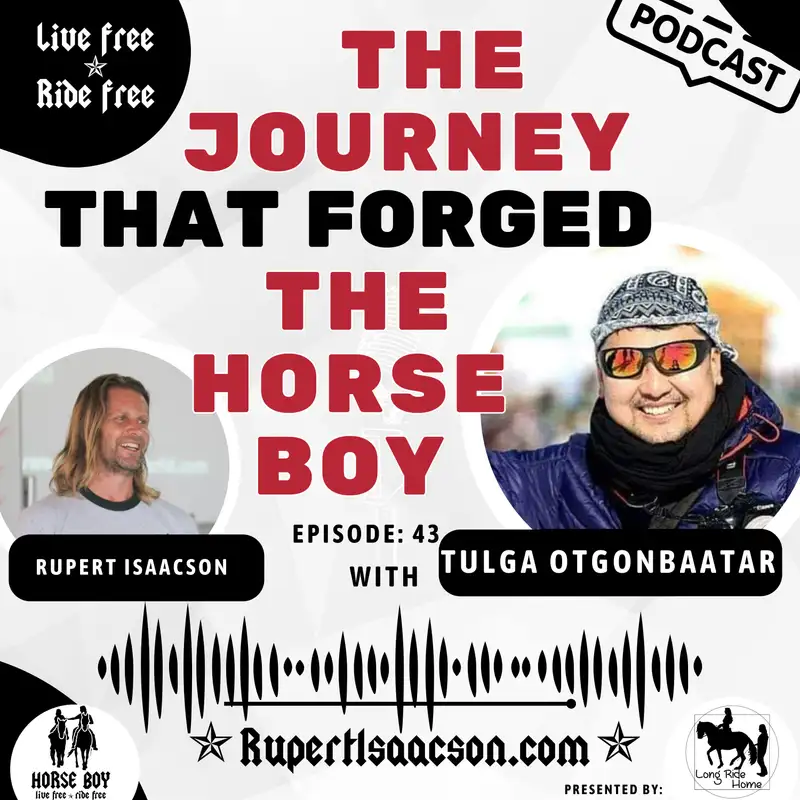
The Journey That Forged The Horse Boy | Mongolia, Shamanism & Healing with Tulga Otgonbaatar | Ep 43

In this deeply moving and long‑awaited reunion episode of Live Free Ride Free, Rupert Isaacson is joined by Tulga Otgonbaatar — the Mongolian guide, cultural bridge, and quiet catalyst behind the original Horse Boy journey.Nearly twenty years after Rupert, his autistic son Rowan, and Tulga traveled together across Mongolia to meet shamans, reindeer herders, and the vast living intelligence of the steppe, the two sit down to reflect on what that journey set in motion — not only for Rowan and their families, but for Mongolia itself.This conversation weaves together memory, history, spirituality, ecology, and lived experience. Tulga shares how a “city boy” became devoted to bringing people back into relationship with nature; how Mongolian kindness, patience, and forgiveness are forged through climate, culture, and Buddhism; and how shamanism survived Soviet suppression to remain a living healing practice today.Together, Rupert and Tulga revisit moments never fully told before — ceremonies where electronics failed, spirits tested intentions, vodka multiplied mysteriously, and healing unfolded in its own time. They explore the difference between cure and healing, the role of nature in regulating the human nervous system, and how autism came to be understood and accepted in Mongolia following the Horse Boy book and film.The episode closes with a powerful look forward: a possible 20‑year anniversary return to Mongolia — fathers and sons reunited — guided once again by the land, the spirits, and the people who made it all possible.✨ “Healing isn’t about removing who someone is. It’s about relieving suffering so their gifts can emerge.” – Rupert Isaacson ✨ “Nature teaches patience. The land itself makes people kinder.” – Tulga Otgonbaatar❤️ Support the Podcast on Patreon https://patreon.com/longridehome🔍 What You’ll Learn in This Episode:How Tulga’s path from English student to nomadic guide led him to found a life around nature and cultural preservation ([00:04:57])Why Mongolian culture carries deep kindness, patience, and forgiveness — and how climate and nomadic life shape the nervous system ([00:11:32])How Mongolia transformed from a warrior empire to a Buddhist, peace‑centered society in just a few generations ([00:15:54])How Mongolia’s ecosystem — people included — represents a living model of human‑nature balance ([00:33:00])The survival of shamanism through Soviet suppression — and why it remains effective today ([00:49:54])How autism became widely understood and accepted in Mongolia after the Horse Boy film aired nationally ([00:53:57])The difference between healing and cure in autism and trauma work ([01:04:03])Why patience, rhythm, and long journeys are essential parts of healing ([01:48:59])What Rowan’s life looks like today — independence, work, travel, and purpose ([01:52:00])Behind‑the‑scenes stories from the original Horse Boy journey never shared publicly before ([02:03:00])🎤 Memorable Moments from the Episode:Tulga recalls the moment Rowan made his very first friend — his son Tomo — during a shamanic ceremony ([00:56:00])Tulga explains the spirits of mountains, rivers, and land — and what happens when humans forget respect ([01:12:00])A non‑verbal autistic child speaks his first words — “Mom, I love you” — after a Mongolian journey ([01:33:15])Rupert reflects on why people with autism often carry profound emotional intelligence and healing presence ([01:59:00])The ceremony where filming equipment mysteriously shut down — exactly as foretold ([02:03:31])A Mongolian shaman tests Tulga with a bottle of vodka that refuses to run out ([02:12:00])📚 Books, Projects & Traditions Mentioned:The Horse Boy – book & documentary: https://ntls.co/booksMongolian shamanism & reindeer‑herder healing traditionsMovement Method & Horse Boy Method: https://ntls.coNomadic Trails (Mongolia): https://nomadictrails.com/Takhin – the revered Mongolian wild horse🌍 See All of Rupert’s Programs and Shows:Website: https://rupertisaacson.com📲 Follow Us:Long Ride Home Website: https://longridehome.com Facebook: https://facebook.com/longridehome.lrh Instagram: https://instagram.com/longridehome_lrh YouTube: https://youtube.com/@longridehomeNew Trails Learning Systems Website: https://ntls.co Facebook: https://facebook.com/horseboyworld Instagram: https://instagram.com/horseboyworld YouTube: https://youtube.com/newtrailslearningsystems📊 Affiliate Disclosure:Links to books and products may include affiliate tracking. We may earn a commission if you make a purchase, at no extra cost to you. Thank you for supporting the show.
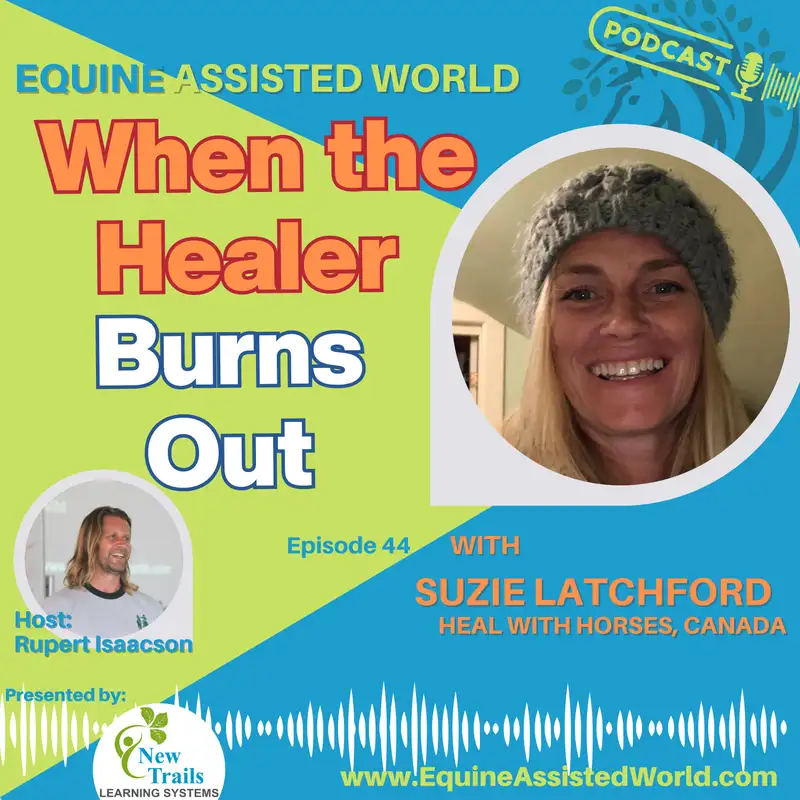
When the Healer Burns Out: Burnout, Menopause & Sustainability in Equine Therapy | Suzie Latchford of Heal With Horses | EAW 44

In this episode of Equine Assisted World, Rupert Isaacson speaks with Suzie Latchford, founder of Heal With Horses in Ontario, Canada — a long‑running equine‑assisted program working with autistic children, families, and communities in a demanding four‑season climate.Suzie shares how Heal With Horses grew organically over more than fifteen years, often without a clear roadmap, and what that growth revealed about sustainability, invisible structure, horse welfare, staff leadership, and practitioner wellbeing. What begins as a conversation about weather and logistics becomes a deeply honest exploration of burnout, menopause, identity, delegation, and the hidden costs of purpose‑driven work.Rather than presenting easy answers, this episode offers lived experience from someone who has stayed in the work long enough to feel its strain — and to find ways through it. From following the child and respecting nature‑led limits, to building mobile animal programs and planning for succession, Suzie reflects on what it really takes to keep equine‑assisted work ethical, human, and sustainable over decades.If you want to support the show, you can do so at Patreon: https://www.patreon.com/LongRideHome🔍 What You’ll Learn in This EpisodeHow following the child builds communication and trust before any therapeutic goals are imposedWhy nature‑based limits — weather, seasons, and animals — can support regulation better than rigid schedulesWhat invisible structure looks like in real equine‑assisted programs, and why it mattersHow long‑term practitioners experience burnout, including emotional, physical, and hormonal factorsWhy delegation, staff leadership, and succession planning are essential for program survivalHow mobile animal programs extend equine‑assisted work into seniors’ homes, schools, and community spacesWhat sustainable horse welfare looks like in cold climates through herd living and 24/7 turnout🎤 Memorable Moments from the Episode[00:01:40] Suzie reflects on the unplanned beginnings of Heal With Horses and how Horse Boy Method shaped her early direction[00:06:53] Navigating winter cancellations, financial strain, and client expectations in extreme Canadian weather[00:16:26] A clear, lived example of “following the child” through imagination, animals, and choice[00:32:37] Suzie speaks candidly about burnout, depression, and losing joy in work she once loved[00:40:00] An open discussion about menopause, identity loss, and rebuilding self‑trust[00:50:00] How stepping back allowed younger staff to step up — and why delegation matters[01:25:24] The mobile animal program: bringing pigs, goats, and bunnies into nursing homes and universities[01:41:00] Redefining success beyond money, productivity, and traditional metrics📚 Contact, Projects, and Resources MentionedHeal With Horses (Canada) https://healwithhorses.caHorse Boy Method, Movement Method & Takhin Equine Integration https://ntls.coLong Ride Home / Rupert Isaacson https://rupertisaacson.com🌍 Follow UsLong Ride Home https://longridehome.com https://facebook.com/longridehome.lrh https://instagram.com/longridehome_lrh https://youtube.com/@longridehomeNew Trails Learning Systems https://ntls.co https://facebook.com/horseboyworld https://instagram.com/horseboyworld https://youtube.com/newtrailslearningsystems📊 Affiliate DisclosureLinks to books and products may include affiliate tracking. We may earn a commission if you make a purchase, at no extra cost to you. Thank you for supporting the show.